Style One Small Space
Practice arranging color, texture, height, and negative space with accessible objects from your own home.
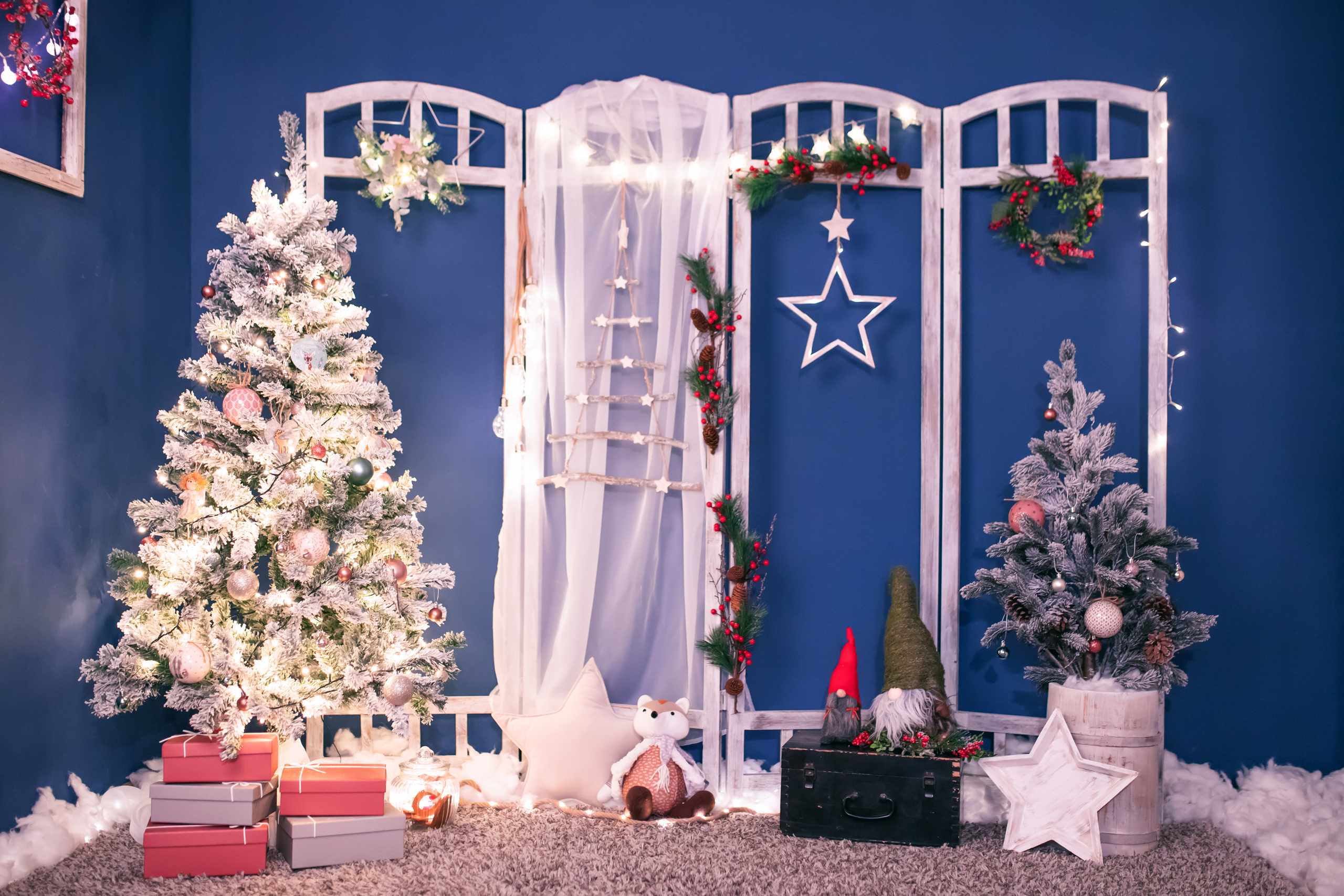
I stopped filling every gap on my shelves. Testing fewer objects at different heights made the focal point much easier to see.
Six Parts Of A Balanced Display
Work through color, scale, grouping, texture, empty space, and editing as separate decisions before combining them in one room zone.
Choose The Palette
Combine one main color, one supporting accent, and one neutral tone so separate objects feel visually connected.
Vary The Heights
Arrange books, vases, frames, and smaller accents at different levels to avoid a flat, rigid line.
Set The Focal Point
Select one anchor piece, then place quieter supporting objects around it without creating competing centers of attention.
Layer The Textures
Mix ceramic, glass, wood, textiles, and natural elements while repeating one material to hold the composition together.
Protect Empty Space
Leave clear gaps between groups so each shape can be noticed and the surface remains practical to use.
Edit The Arrangement
Photograph the display, check its visual weight, and remove or move anything that distracts from the main composition.
First Shelf Project.
Comparing a symmetrical version with an asymmetrical one showed me why my original arrangement felt stiff. Moving one frame and removing two small objects made the shelf calmer.
Discuss Your Decor Setup
Decoration Is More Than Adding Objects
Work With What
You Have
Restyle books, bowls, frames, textiles, and other familiar pieces before deciding whether the space needs anything new.
Check Scale And Sightlines
Compare each object with the furniture, wall area, and surrounding pieces so accents do not disappear or feel disconnected.
Keep The Space
Usable
Leave room for daily movement, cleaning, lighting, and access instead of treating every open surface as display space.
Look Again Before You Add
A balanced arrangement often improves through moving, comparing, and removing. Step back, take a front-facing photo, and check the focal point, gaps, height variation, and practical access before adding another decorative accent.